 Set as preferred source

A Brief History of Web Browsers
Today, there are only a few applications to access the Internet. The main competitors are Firefox, Google Chrome, Microsoft Edge, Safari, and Opera. Over the last decade, mobile devices have become the best way to access the Internet. Today, most Internet users use only mobile browsers and applications to connect to the Internet. Mobile versions of major browsers are available for iOS and Android devices. Although these programs are highly useful for specific purposes, they provide only limited access to the Internet.
While everybody on the planet uses a web browser daily, many people do not know much of the web browser history.
The Evolution of Web Browsers – From Text to Rich Media
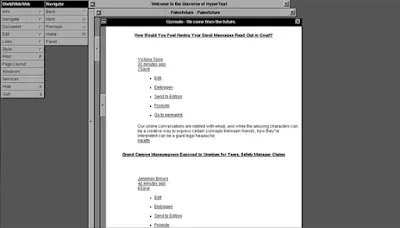
1990 – The WorldWideWeb (not to be confused with the World Wide Web) was the first browser ever created by W3C Director Tim Berners-Lee, then was renamed to Nexus to differentiate from the actual World Wide Web. Unlike today, this was the only browser and the only way to access the web.
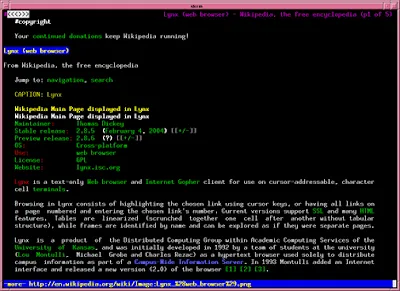
1992 – Lynx was a texted-based browser that couldn’t display any graphic content. As of 2020, it is the oldest web browser still being maintained, having started in 1992.
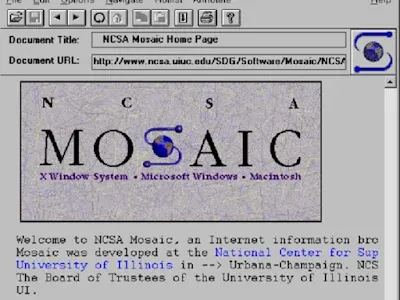
1993 – Mosaic was the first browser to allow images embedded in the text, making it “the world’s first most popular browser.”
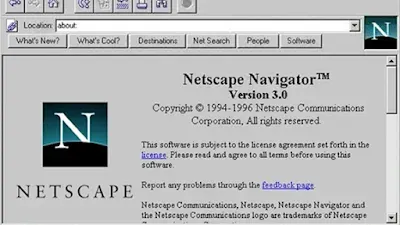
1994 – As a noticeable improvement to Mosaic came Netscape Navigator.
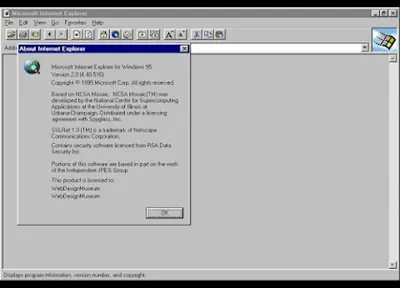
1995 – Internet Explorer made its debut as Microsoft’s first web browser.
The Browser Wars Era — Competition Heats Up
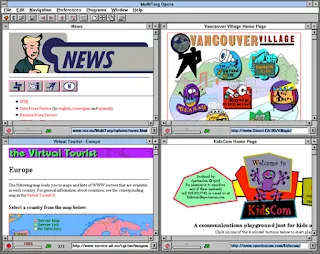
1996 – Opera started as a research project in 1994 that finally went public two years later. It was also arguably the beginning of the browser wars, mainly between IE 3 and Navigator 3, as Internet Explorer inched ahead with new capabilities.
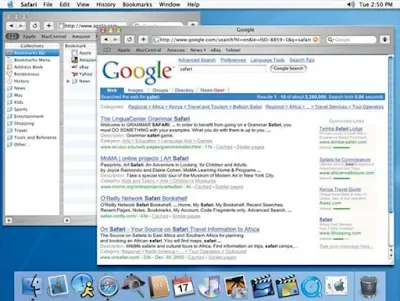
2003 – Apple’s browser Safari was released for Macintosh computers specifically instead of Navigator.
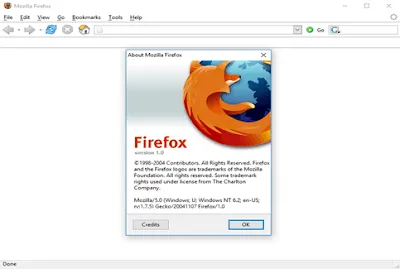
2004 – Mozilla launched Firefox as Netscape Navigator faded out.
The Rise of Mobile Browsing
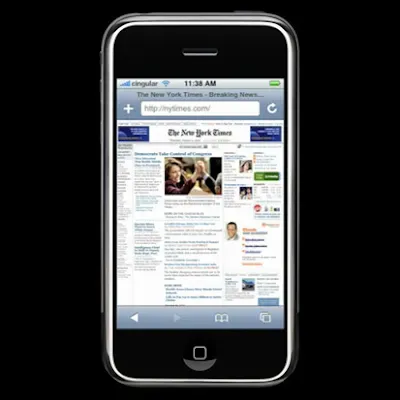
2007 – Mobile Safari was introduced as Apple’s mobile web browser and continues to dominate the iOS market.
Modern Browser Landscape — Chrome, Edge, and Beyond
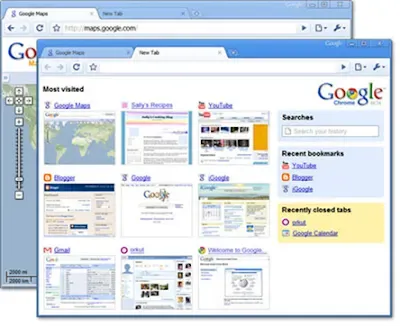
2008 – Google Chrome appeared to take over the browser market pretty soon.
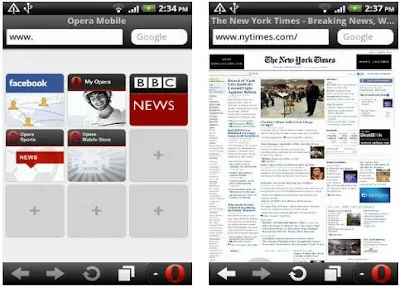
2011 – Opera Mini was released to focus on the fast-growing mobile browser market.
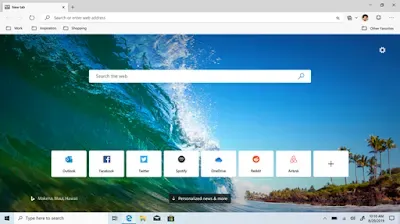
2015– Microsoft Edge was born to combat Google.